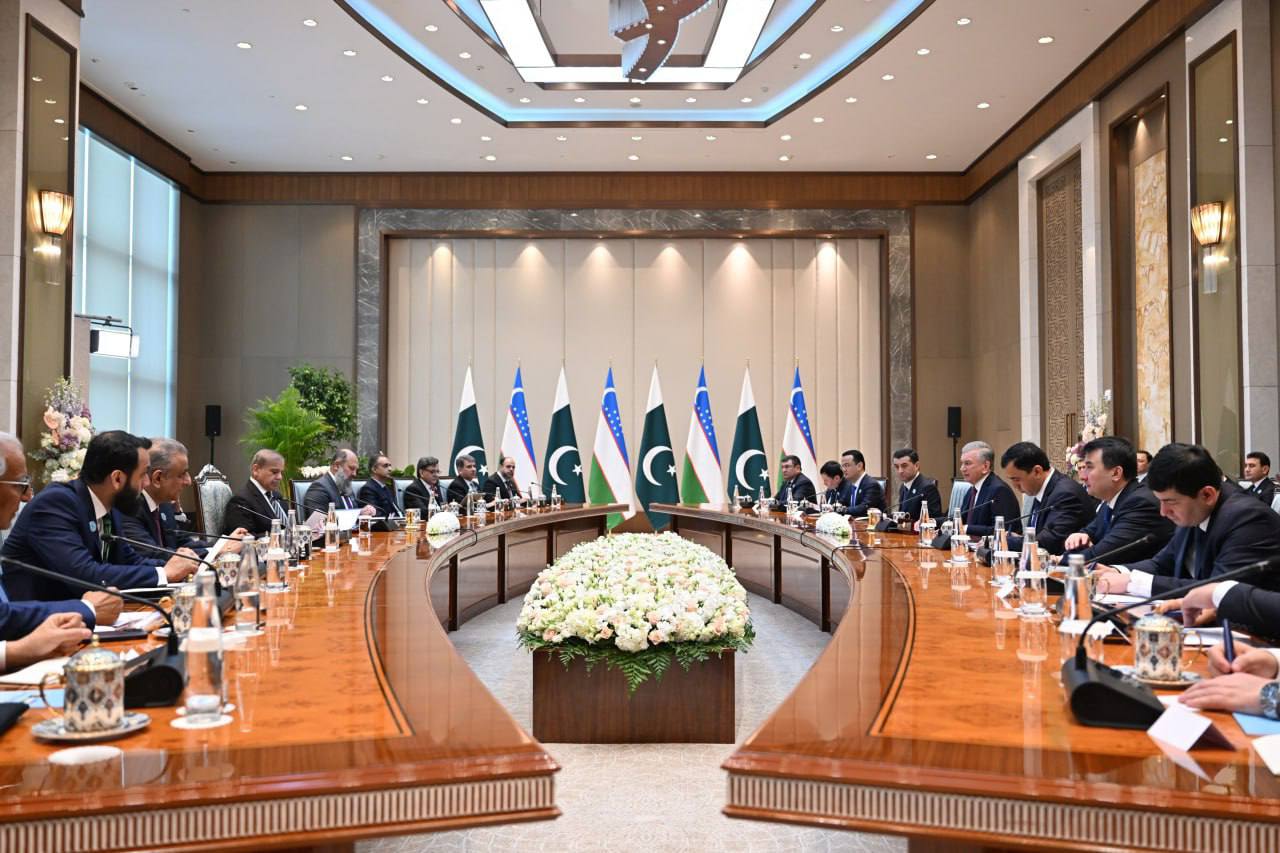
“Pakistan at a Turning Point: Economic Relief, Global Role, and Rising Challenges in 2026”
In parallel, a major shift is taking place in Pakistan’s financial and technological landscape. The State Bank of Pakistan has taken a progressive step by allowing licensed digital asset and crypto-related businesses to access formal banking channels. This decision marks a turning point after years of restrictions and signals Pakistan’s intention to embrace the global fintech revolution. It opens doors for innovation, entrepreneurship, and foreign investment, particularly among the youth and tech startups eager to compete on an international scale. On the geopolitical front, Pakistan is emerging as a key diplomatic player. With rising tensions between the United States and Iran, Pakistan has stepped forward to facilitate dialogue and potentially host peace talks. This role enhances Pakistan’s global image as a mediator and a responsible state seeking regional stability. If successful, such efforts could significantly boost Pakistan’s diplomatic standing and influence in international affairs.
Pakistan has received $3 billion financial support from Saudi Arabia.
Pakistan has recently secured a significant financial lifeline of $3 billion from Saudi Arabia, providing much-needed relief to the country’s fragile economy. This support comes at a critical time when Pakistan has been facing mounting pressure on its foreign exchange reserves and struggling to meet external debt obligations. The assistance is expected to strengthen the country’s financial position, stabilize the national currency, and restore investor confidence in the short term. Beyond its immediate economic impact, this move also reflects the strong and enduring strategic relationship between Pakistan and Saudi Arabia. Such financial backing not only helps Pakistan manage its current economic challenges but also creates an opportunity for policymakers to implement long-term structural reforms aimed at sustainable growth and stability.
Recent developments between Pakistan and Saudi Arabia highlight ongoing high-level economic and diplomatic engagement rather than any form of conflict. Both countries share a long-standing strategic partnership based on mutual economic cooperation, energy support, and investment opportunities. In recent discussions, financial assistance and economic cooperation packages have been part of broader efforts to support Pakistan’s economic stability during challenging times. Instead of being viewed as dependency, these engagements reflect Pakistan’s diplomatic strategy to strengthen alliances, secure financial stability, and attract long-term investment from friendly nations. Such cooperation is a normal part of international relations where countries work together to address economic pressures and promote shared regional interests.