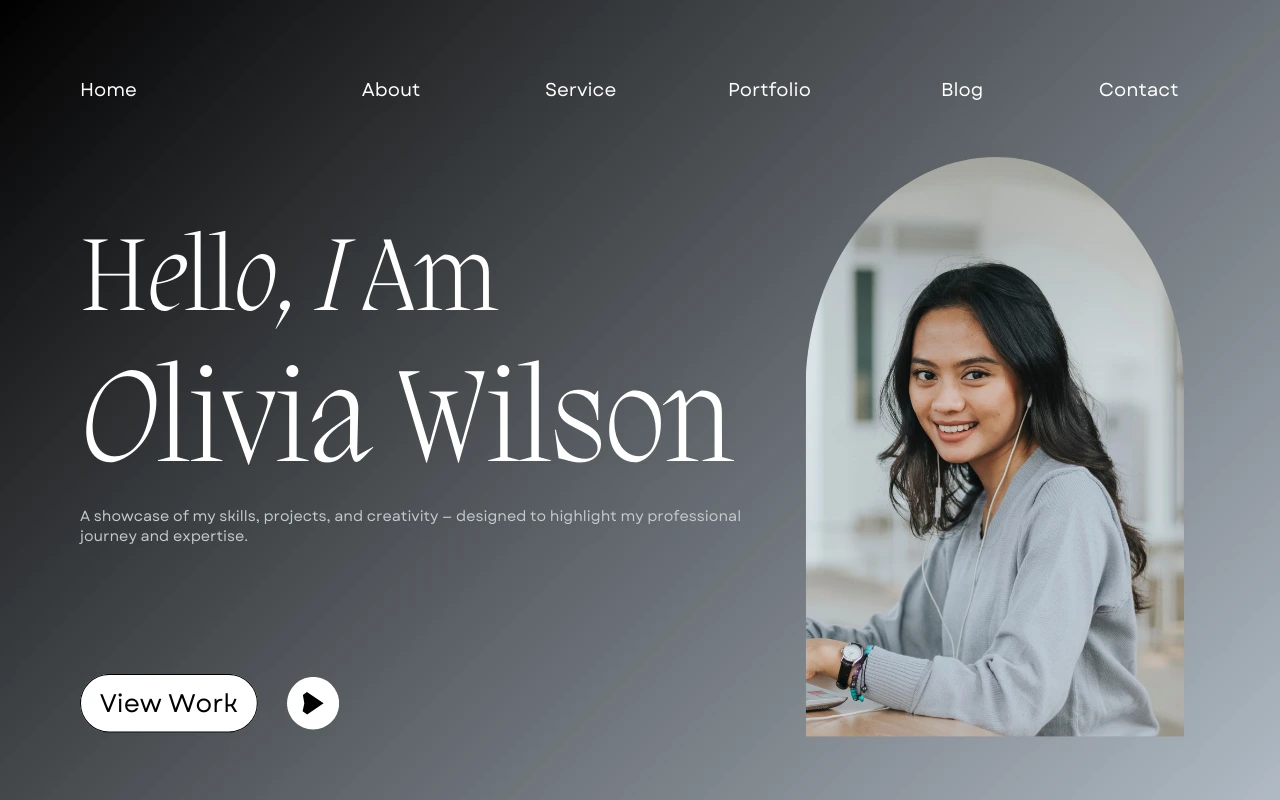
⭐How to Build a Portfolio Website: A Complete Beginner’s Guide
The creation of a portfolio site has emerged as one of the key processes of every individual who attempts to develop in the online environment. You can be a designer, developer, writer, student, and freelancer but a personal portfolio provides you with an online identity professionally. You do not explain to people what you can do; however, your site demonstrates what you are capable of through actual work. Whether you are looking to know how to build a portfolio website, this tutorial will make the process seem straightforward to follow and complete as you will be able to make a professional and stunning portfolio despite being a novice.
📌1. Why a Portfolio Website Actually Matters
Portfolio site is your internet resume 24/7; an image which represents you. As a prospective customer, employer, or hiring manager visits your site, they instantly have a definite idea of your style, talents and proficiency. Portfolio created in a good manner creates trust since it depicts your professionalism, dedication and attention to detail. Skills are posted on the resume of many individuals, and only a portfolio can confirm the authenticity of the skills. In the competitive market, the portfolio is the only thing that will assist you in standing out amongst the people with similar qualifications. Your site turns into your brand – a key hub to all that you have achieved.
🧩2. Understand What Type of Portfolio You Need
A portfolio needs a different approach to each profession. The portfolios of a designer are creative and visual-oriented, of a developer are coding skills, and of a writer is the tone and the story-telling capability. Beginners or students, conversely, focus on potential as opposed to experience. The following table will make you identify what kind of content your field will need.
📘Portfolio Types Table
| Profession | What to include | Main Purpose |
| Graphic Designer | Logos, branding, posters, illustrations | Showcase creativity and design style |
| Web Developer | Websites, apps, GitHub projects | Prove coding skills and technical ability |
| Writer | Blogs, articles, copy samples | Highlight writing quality and tone |
| Video Editor | Edits, reels, short ads | Display editing talent and creativity |
| Student / Fresher | Academic projects, skill-based tasks | Show potential and learning progress |
🛠️3. Choose the Right Platform for Your Portfolio
The system you adopt is a significant determinant of the appearance and operation of your website. Novices usually like to use websites such as wix, squarespace and WordPress.com, owing to their simple drag and build tools. These platforms do not need knowledge of coding, yet it has graceful, professional templates. But, should you be a developer or desire full control, sophisticated tools such as Webflow, WordPress.org, or you can even create your own site using Next.js or React will provide you with a lot to do. The primary objective is to select a platform that would enable you to update your portfolio without any difficulties, open the pages quickly, and have a clean and contemporary interface.
🧱4. Select a Clean and Professional Template
The design of your portfolio is based on your template. The simple and clear design will help you to keep your work in focus. Rather than settling on an over-the-top color scheme, or gilding creations, opt to make a design that is modern, straightforward and properly organized. An effective template has the correct spacing, decipherable typography and a well-balanced design in which each section leads naturally to the next. Above all this, make sure that the template is mobile friendly, since many of your guests, particularly recruiters, access portfolios via mobile gadgets. Clean template will bring your site in a well-organized look and will make your professionalism shine.
🙋5. Write a Clear and Engaging “About Me” Section
People identify with you on your “About Me” section as opposed to your projects. It ought to narrate your story in a free flowing, friendly manner. Rather than writing down your list of skills similar to a resume, describe yourself, what you are passionate about and why you work. You can a bit state your background, your expertise and type of work you are interested in doing. An effective About section portrays personality without being too protracted and cumbersome. For example:
I am a hard-working front-end developer who loves to bring ideas to life in clean and easy-to-use digital places.
Such introduction is personal but professional.
🎨6. Present Only Your Best and Most Relevant Work
The portfolio must be quality and not a quantity. Novices commit the overload of projects, whereas the professionals concentrate on presenting the best of the best work. Identify 5- 8 powerful projects that showcase your strongest skills. A brief description of the project must be made of the purpose, your contribution in it, the tools involved and the outcome of the project. Inclusion of screenshots or live links makes your work credible. Giving a clear and structured presentation of your projects makes it easy to the visitors to see what you are capable of doing through a glimpse.
📞7. Create a Simple Yet Effective Contact Page
It is only when people can easily contact you that your portfolio site takes meaning. A conveniently composed contact page must also have a basic form, your email address, and your social network or LinkedIn page. Be brief and to the point. An advanced or obscure contact section may cost you good prospects. By making it clear that communication and contact with you is welcome, you are more likely to have been approached by clients, recruiters, or collaborators when they visit your site.